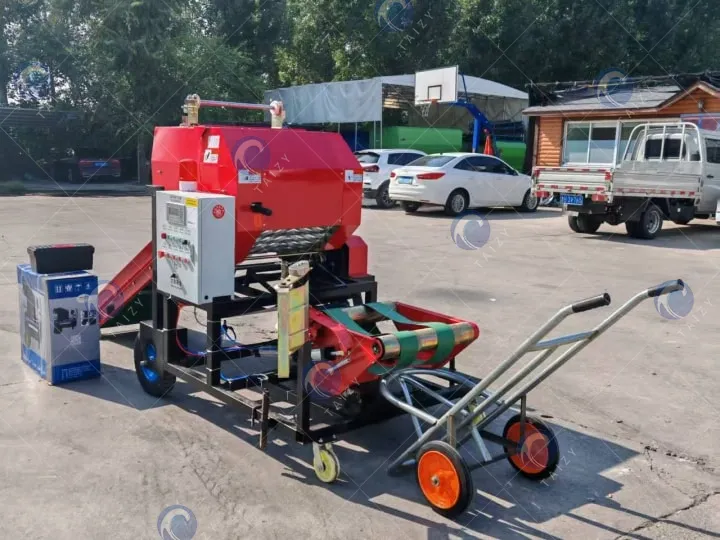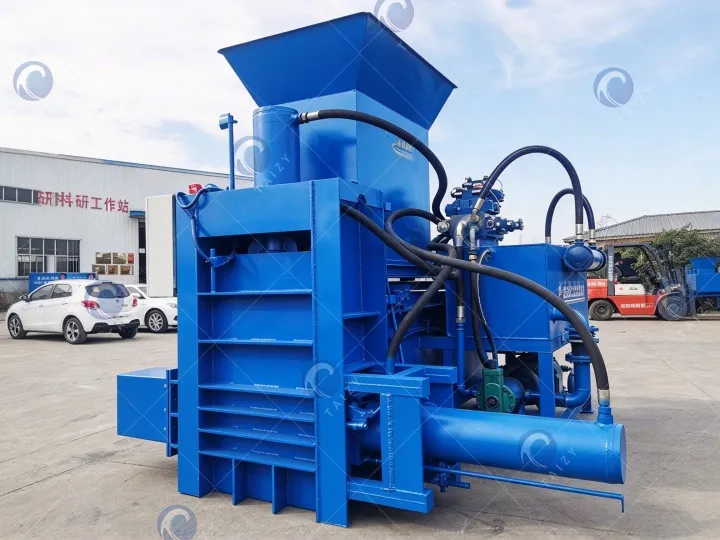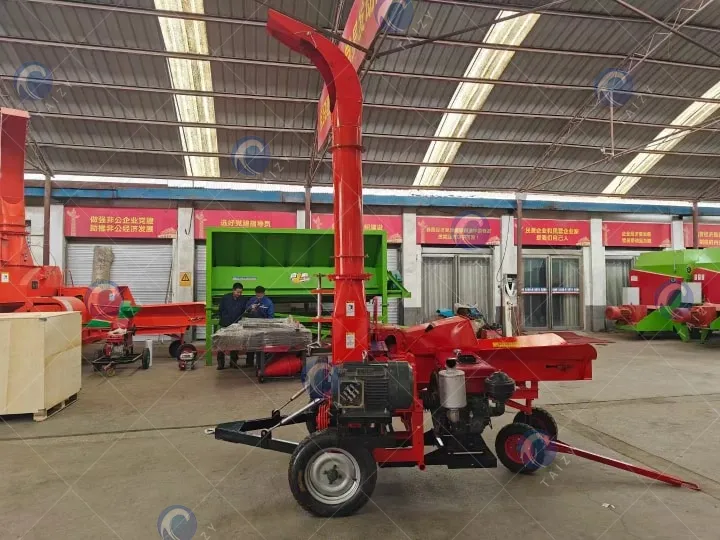
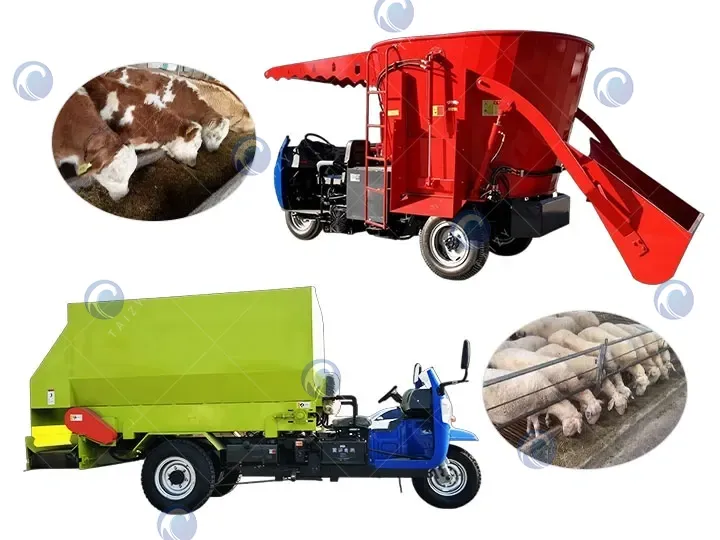
The silage feed distributor is used to transport and evenly dispense feed on farms. This equipment is widely utilized in cattle farms, sheep farms, and large-scale livestock operations. It improves efficiency and reduces feed waste, making it increasingly common in modern livestock farming.
When purchasing the silage spreader, the question users most frequently ask is: “How much does a feed spreader cost?”
Current market data indicates that prices generally range from $3,000 to $7,000, though specific costs vary depending on the configuration.
Capacity determines the difference in base price
Capacity is one of the key factors influencing the price of the silage feed distributor machine. Common capacities on the market include 3m³, 5m³, and 8m³, as well as larger models. Generally, as capacity increases, both manufacturing and transportation costs rise accordingly.
Functions of the silage feed distributor affect its price
The silage spreader machine can be categorized into basic models and mixing-capable models; this functional difference significantly impacts the price:
Basic distribution model
Equipped only with transport and distribution functions; features a relatively simple structure and lower maintenance costs.
Integrated mixing and distribution model
Capable of mixing the feed before distribution, resulting in greater uniformity. This type of spreader places higher demands on the power system, leading to a significant increase in overall manufacturing costs.
Power source affects equipment price
Currently, there are three main power sources for mainstream silage feed distributor machines:
Electric drive
- Primarily used at fixed sites or for small-scale farming operations
- Low noise and simple maintenance
- Usage is limited by power supply availability
- Moderate initial investment cost
Diesel engine-driven
- Equipped with its own power system, it does not rely on a tractor
- Greater flexibility
- Suitable for independent operation
Tractor-driven (PTO)
- Powered by the tractor
- Simple structure
- High adaptability
The choice of power source affects not only the purchase price but also the cost structure of long-term operation.
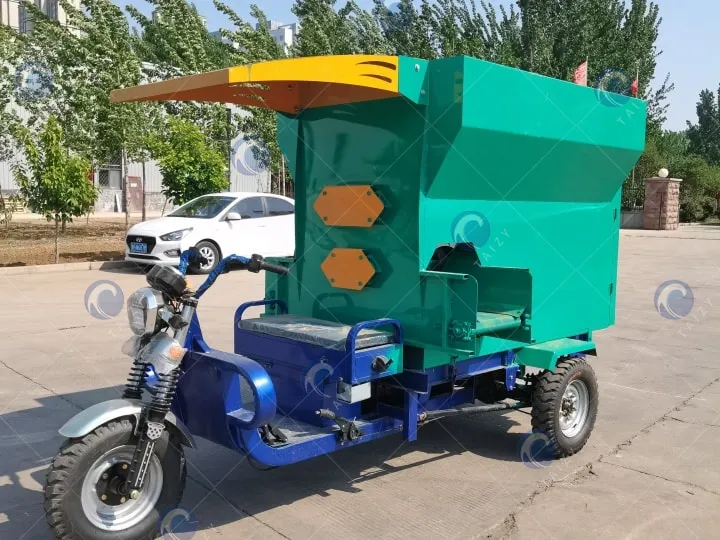
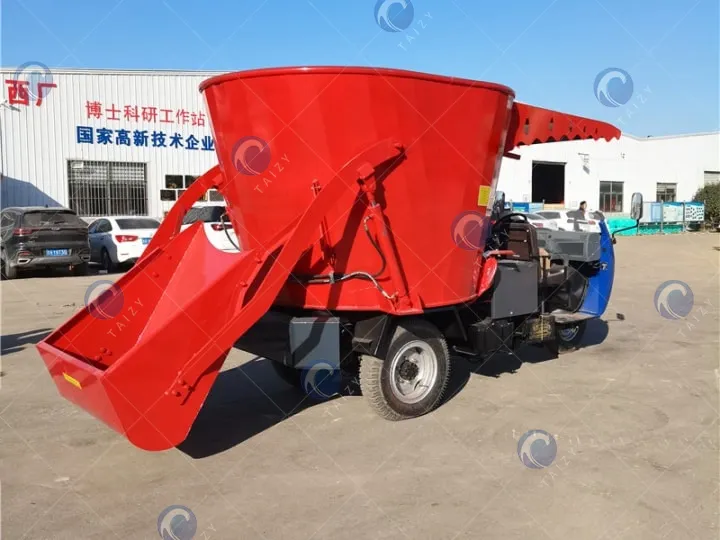
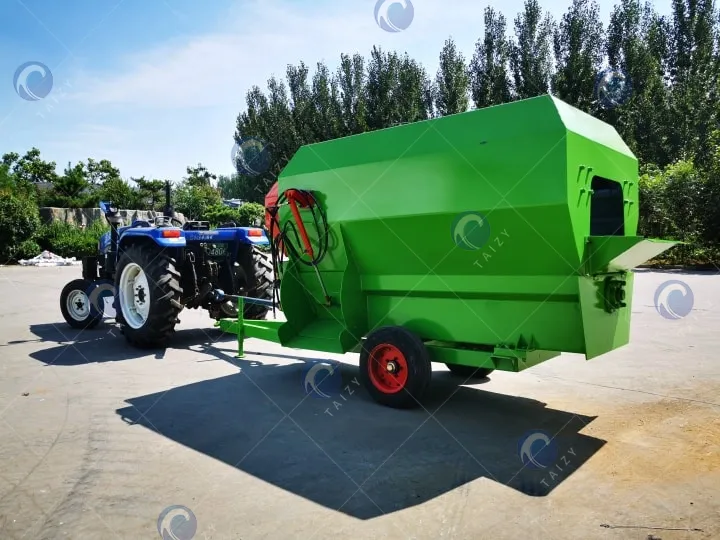
Why is there such a large price difference for the same model?
In the actual market, even among silage feed distributor machines with the same 5m³ capacity, prices can vary by thousands of dollars. Key factors influencing this include:
- Whether thickened steel plating is used
- Whether hydraulic loading is supported
- Whether the discharge height can be customized
- The level of automation in the control system
These factors are often what ultimately determine the price.
Conclusion
The price of a silage feed distributor machine is not fixed; rather, it is determined by a combination of factors, including capacity, the presence of a mixing function, and the power source.
For purchasers, it is more important to select a configuration suited to the farm’s scale and feeding methods than to simply compare prices.