How do farmers use silage pasture baler machine for livestock feeding?
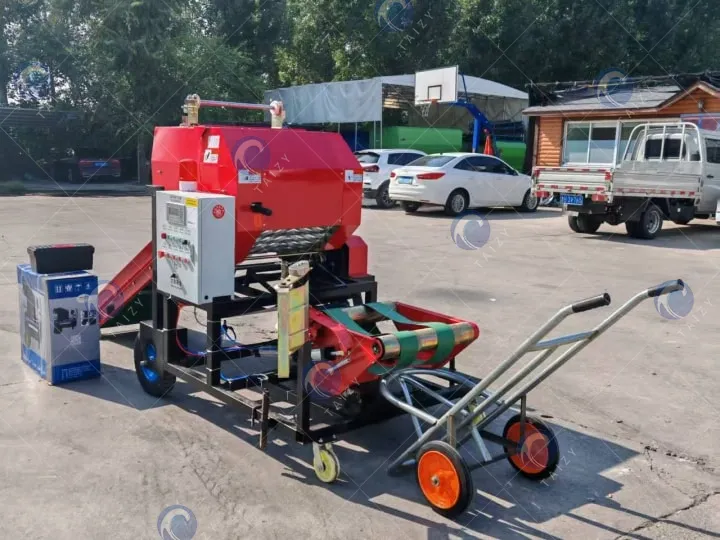
A silage pasture baler machine helps farmers process corn stalks, grass, and other forage for livestock feeding and storage.
Read moreA silage pasture baler machine helps farmers process corn stalks, grass, and other forage for livestock feeding and storage.
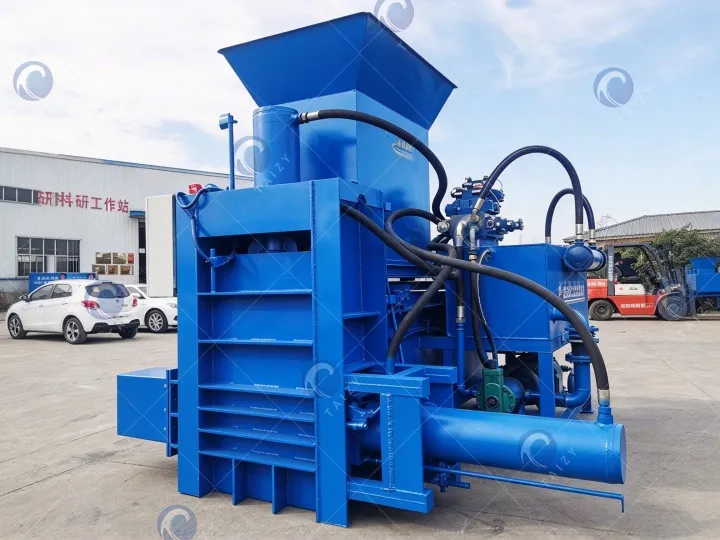
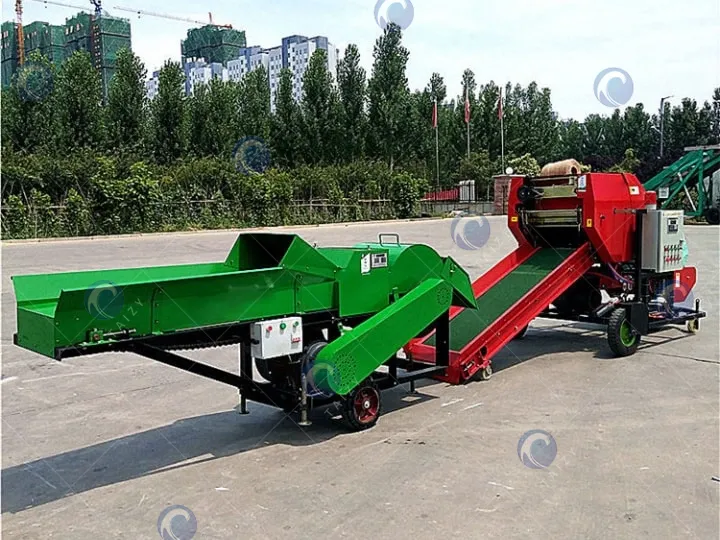
Read moreA hydraulic square silage baler compresses chopped corn stalks, grass, and straw into bagged rectangular bales, making silage storage, stacking, and transportation easier.
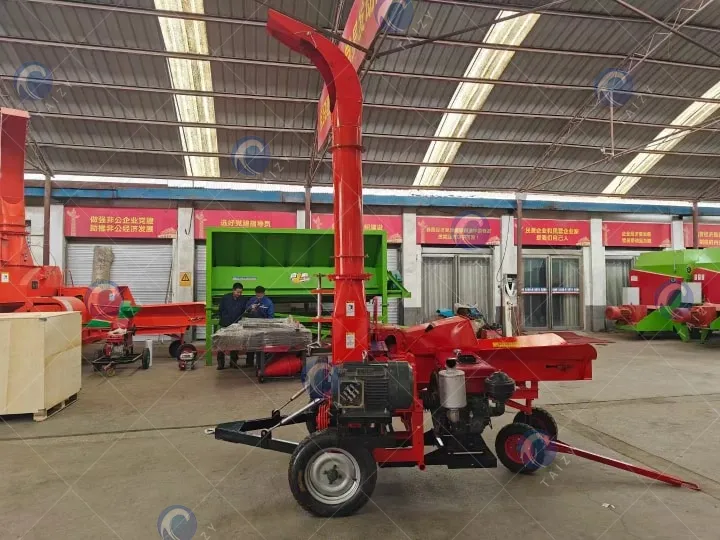
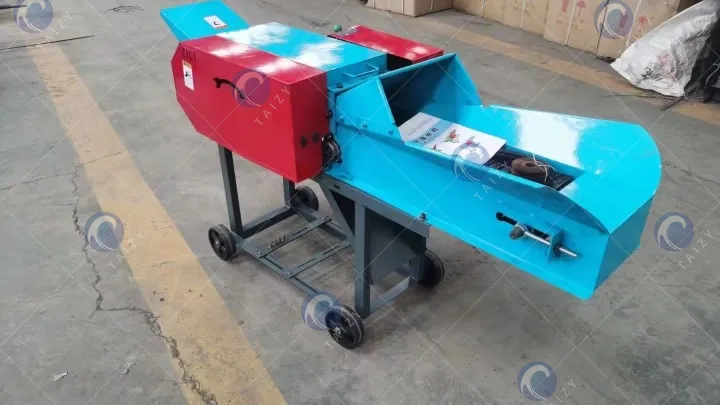
Read moreA forage chopper prepares grass, corn stalks, straw, and other forage into uniform pieces for easier cattle feeding, mixing, and handling.
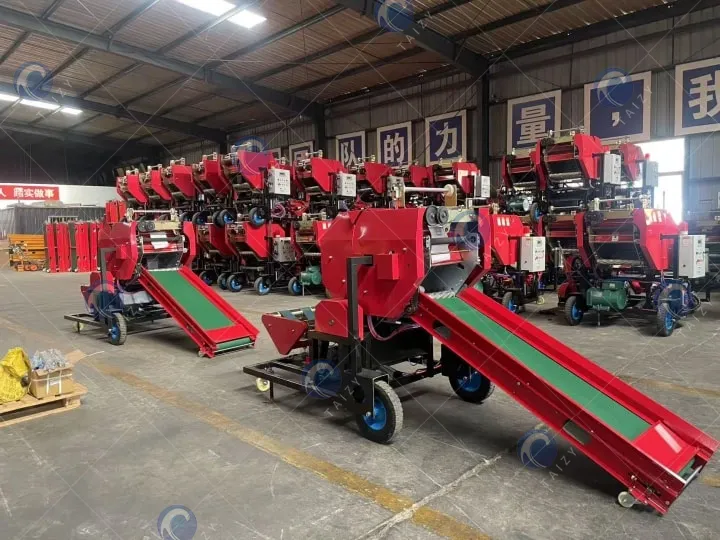
Read moreLearn how a hay baling and wrapping machine collects forage, forms round bales, and wraps them with film, plus the benefits of wrapped silage for storage and handling.
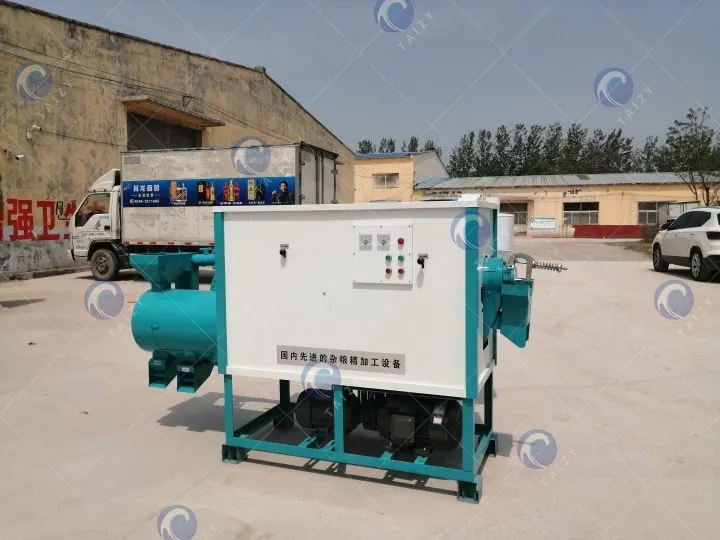
Read moreLearn how to choose a maize grits maker machine based on raw material, capacity, grits size, power supply, and processing requirements.
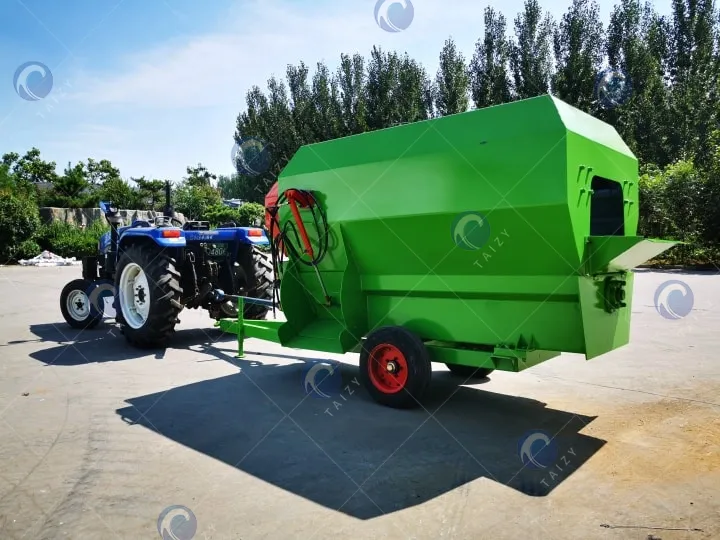
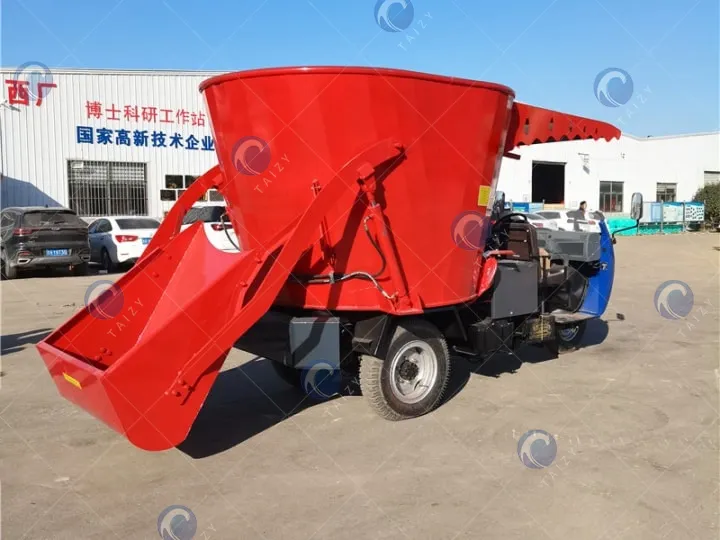
Read moreLearn how to choose the right silage spreading machine for your farm by comparing functions and power options. Explore Taizy models for efficient livestock feeding.
Read moreThe silage feed distributor machine prices typically range from $3,000 to $7,000, depending on capacity, mixing function, and power type.
Read moreLearn how a chaff chopping machine and silage baler work together to improve silage quality and increase baling efficiency for livestock farms.
Read moreWhen selecting the chaff cutter for a farm, it is essential to consider factors such as raw material type, output requirements, and power configuration.
Read moreCommon types of automated corn thresher machine include fresh corn sheller, standard corn threshers, and multi-functional maize threshing machine.
Read moreLearn how to choose right maize sheller, including fresh corn, dry corn, and multi-crop models, with key insights on capacity, performance, and efficiency to match your needs.
Read moreThe corn husker machine can rapidly remove the outer husks. Its price is influenced by factors such as processing capacity, configuration, and the degree of automation.
Read more